
Muslim Kids Learn Arabic to Read the Quran

Learning Arabic to read the Quran is a meaningful journey for many Muslim children. It connects them to their faith, culture, and history in a deep and personal way. As someone who has seen the impact of this learning firsthand, I want to share why Arabic matters for young learners and how it can be taught effectively.

Reading the Quran in Arabic helps children connect with their faith deeply.
Why Learning Arabic is Important for Muslim Kids
Arabic is the language of the Quran, the holy book of Islam. For Muslim children, learning Arabic is not just about language skills. It is about understanding the words of God as they were revealed. This connection helps children feel closer to their religion and strengthens their spiritual growth.
When kids learn Arabic, they can read the Quran in its original form. This allows them to appreciate the beauty and meaning of the text without relying on translations. Translations can sometimes miss the full depth of the message. Knowing Arabic helps children grasp the true essence of the Quran.
Besides religious reasons, Arabic is a rich and beautiful language. It opens doors to a vast culture and history. Learning Arabic also improves cognitive skills like memory and concentration, which benefits children in other areas of life.
How to Teach Arabic to Young Learners
Teaching Arabic to children requires patience and the right approach. Kids learn best when lessons are fun, interactive, and suited to their age. Here are some effective methods:
Start with the Arabic alphabet: Familiarize children with the letters and sounds. Use colorful charts and songs to make it enjoyable.
Use Quranic vocabulary: Introduce words and phrases from the Quran early on. This helps children connect language learning with their faith.
Practice reading aloud: Encourage kids to read Quranic verses aloud. This improves pronunciation and fluency.
Incorporate stories and games: Use stories from Islamic history and games that involve Arabic words to keep children engaged.
Regular practice: Consistency is key. Short daily sessions work better than long, infrequent ones.
One helpful resource I recommend is the Badia Arabic Learning platform. It offers structured courses designed for children to learn Arabic from beginner to advanced levels. Their lessons focus on Quranic Arabic, making it easier for kids to read and understand the Quran. You can explore their offerings here.
Tools and Resources That Support Arabic Learning
Using the right tools can make a big difference in how children learn Arabic. Here are some examples of helpful products and services:
1. Arabic Learning App for Kids
Type: Mobile Application
Name: Noor Kids Arabic
Description: Noor Kids Arabic is an interactive app that teaches Arabic letters, words, and Quranic verses through games and stories. It is designed to keep children motivated and engaged.
2. Online Quranic Arabic Course
Type: Online Course
Name: Badia Arabic Learning
Description: This course offers step-by-step lessons focused on Quranic Arabic. It helps children learn to read the Quran with proper pronunciation and understanding. The course includes videos, exercises, and live tutoring options.
3. Arabic Alphabet Flashcards
Type: Educational Material
Name: Arabic Alphabet Flashcards for Kids
Description: These flashcards feature colorful images and Arabic letters to help children memorize the alphabet. They are perfect for home or classroom use.
Comparing these options, the Badia Arabic Learning course stands out for its focus on Quranic Arabic and comprehensive teaching approach. The app and flashcards are great supplements that make learning fun and interactive.
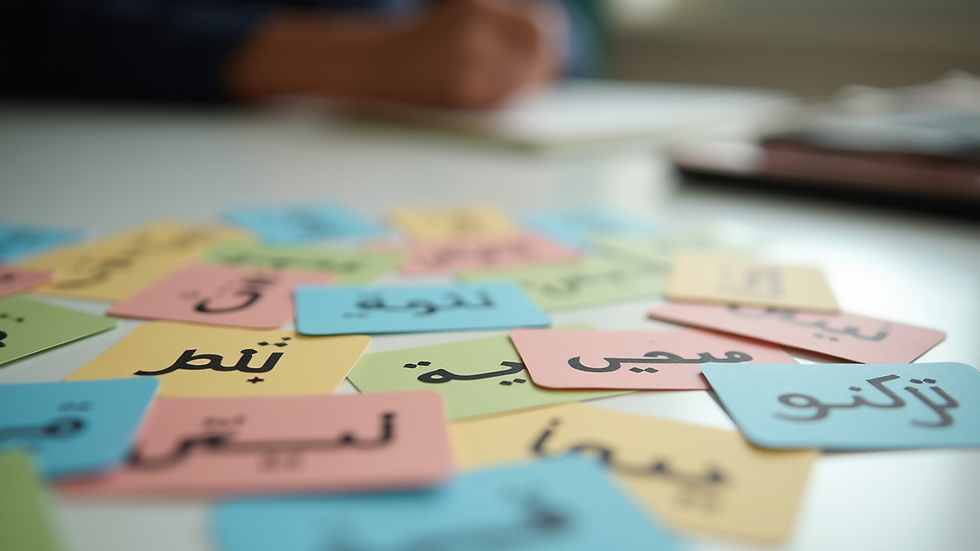
Flashcards help children memorize Arabic letters in a fun way.
Overcoming Challenges in Learning Arabic
Learning a new language can be challenging, especially for young children. Arabic has a unique script and sounds that may be unfamiliar. Here are some tips to help overcome common difficulties:
Be patient and encouraging: Celebrate small achievements to keep children motivated.
Use repetition: Repeating letters, words, and verses helps with memorization.
Create a supportive environment: Encourage family members to practice Arabic together.
Break lessons into small parts: Avoid overwhelming children with too much information at once.
Use multimedia resources: Videos, songs, and apps can make learning more engaging.
Parents and educators can also join communities or forums where they share tips and experiences. This support network can be very helpful.
The Role of Charter Schools in Arabic Language Education
Charter schools that offer Arabic language programs play a vital role in helping children learn Arabic. These schools provide structured environments where Arabic is taught alongside other subjects. They often use specialized curricula that focus on both language skills and cultural understanding.
For families seeking Arabic education, charter schools can be an excellent option. They combine academic rigor with cultural immersion. Many schools also use resources like the Badia Arabic Learning platform to enhance their teaching.
By attending such schools, children not only learn to read the Quran but also develop a broader appreciation for Arabic culture and history. This well-rounded education supports their identity and future opportunities.

Charter schools provide structured Arabic language education for children.
Encouraging Lifelong Connection to Arabic and the Quran
Learning Arabic to read the Quran is just the beginning. The goal is to inspire a lifelong connection to the language and faith. Here are ways to keep children interested as they grow:
Encourage reading the Quran daily, even if just a few verses.
Explore Islamic stories and history in Arabic.
Attend community events or classes focused on Arabic and Islamic culture.
Use technology like apps and online courses to continue learning.
Support children in memorizing Quranic verses gradually.
By making Arabic learning a natural part of life, children develop confidence and love for the language. This foundation helps them understand their faith deeply and share it with others.
Learning Arabic to read the Quran is a rewarding experience for Muslim children. It connects them to their faith and culture in a meaningful way. With the right tools, support, and teaching methods, children can enjoy this journey and build strong language skills.
Whether through apps like Noor Kids Arabic, courses from Badia Arabic Learning, or simple flashcards, there are many ways to help kids succeed. Charter schools also offer valuable programs that combine language learning with cultural education.
If you want to support a child in learning Arabic, start with small, consistent steps. Use engaging resources and create a positive environment. This approach will help children not only read the Quran but also appreciate the beauty of the Arabic language for years to come.


Comments